The Importance of Selective Demolition in Construction Projects
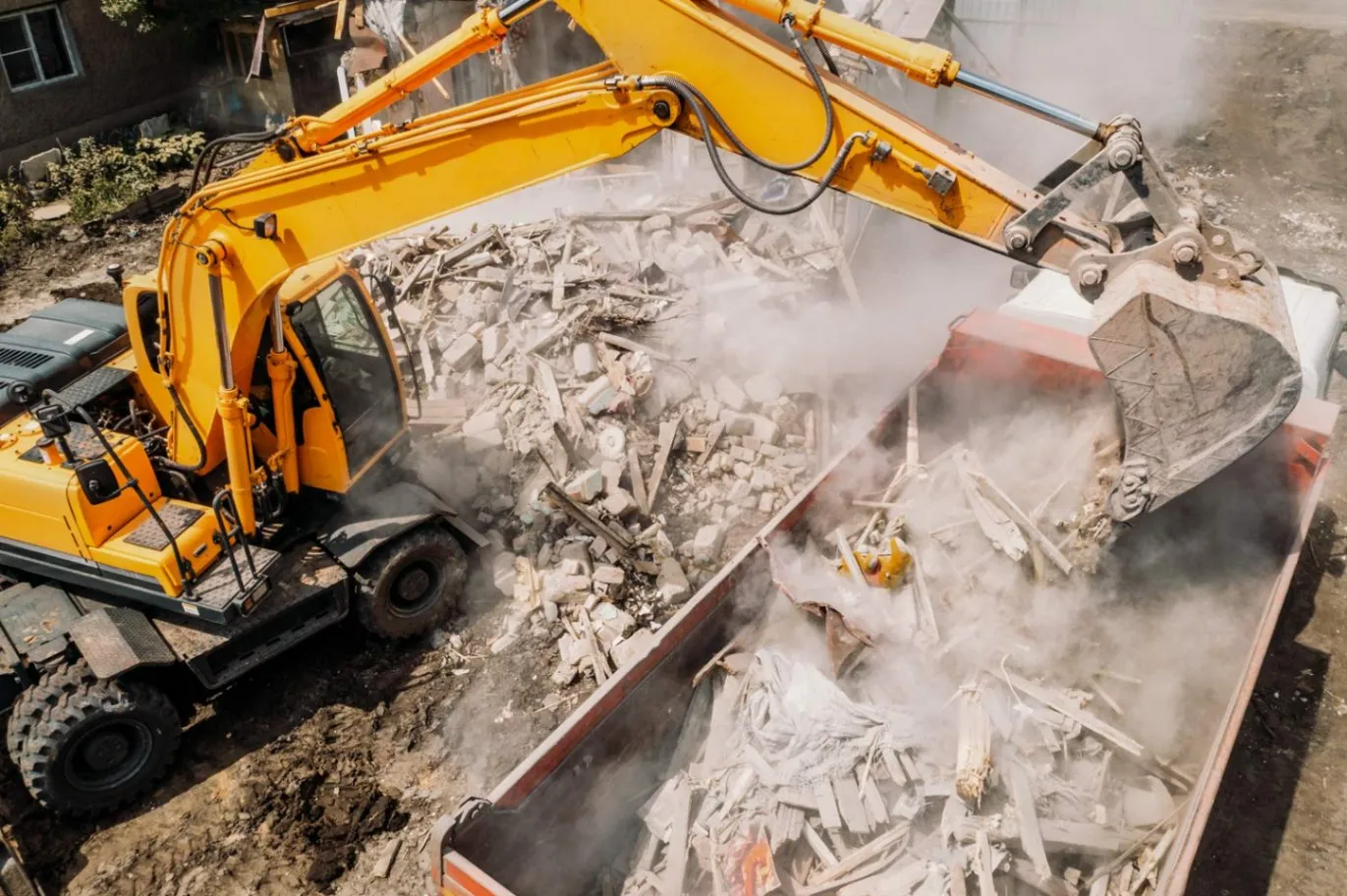
In the world of construction, selective demolition has become an increasingly vital process. Unlike traditional demolition, which often involves a complete teardown of a structure, selective demolition focuses on the careful removal of specific parts of a building. This approach is not only more efficient but also environmentally friendly. In this blog post, we will explore the significance of selective demolition, its benefits, and how it can enhance the overall efficiency of construction projects.
What is Selective Demolition?
Selective demolition refers to the process of dismantling a structure in a way that targets certain sections while preserving others. This method can be applied to various types of buildings, including residential, commercial, and industrial properties. The goals of selective demolition include:
- Preserving valuable materials
- Minimizing waste
- Reducing environmental impact
- Enhancing safety during the demolition process
- Facilitating renovation and remodeling efforts
Benefits of Selective Demolition
Selective demolition offers numerous advantages that can significantly affect the efficiency and sustainability of construction projects. Here are some key benefits:
- Cost Efficiency: By focusing only on specific areas, selective demolition can reduce labor and disposal costs.
- Environmental Sustainability: This method promotes recycling and reuse of materials, minimizing the carbon footprint.
- Time Savings: Selective demolition can expedite the construction timeline, allowing for quicker project completion.
- Enhanced Safety: Targeted demolition reduces risks associated with structural collapse and debris hazards.
- Flexibility: This approach allows contractors to adapt to changing project requirements without extensive reconstruction.
The Process of Selective Demolition
The process of selective demolition typically involves several key steps:
- Assessment: Conduct a thorough evaluation of the structure to identify which parts need to be removed and which should be preserved.
- Planning: Develop a detailed plan that outlines the scope of work, safety measures, and recycling options.
- Execution: Carry out the demolition work while adhering to safety regulations and minimizing disruption to surrounding areas.
- Disposal: Properly dispose of waste materials and recycle wherever possible to uphold environmental standards.
When to Consider Selective Demolition
Selective demolition is particularly beneficial in the following scenarios:
- Renovations: When updating older buildings while retaining their historical significance.
- Upgrades: When adding new features or systems without compromising existing structures.
- Repurposing: When converting a building for a different use, such as transforming an old factory into residential lofts.
- Restorations: When restoring a building to its former glory while removing only the damaged sections.
Challenges of Selective Demolition
While selective demolition has many advantages, it also comes with its own set of challenges, including:
- Complexity: Requires detailed planning and expertise to execute effectively.
- Cost: Although it can be more cost-effective overall, the initial costs may be higher than standard demolition.
- Time-Intensive: The process can take longer due to the careful approach required.
Conclusion
Selective demolition is a crucial aspect of modern construction, offering numerous benefits that enhance efficiency, safety, and sustainability. By choosing this method, contractors can not only save time and money but also contribute positively to the environment. As the construction industry continues to evolve, the importance of selective demolition will only increase, making it an essential consideration for any construction project.
For more information on selective demolition and how it can benefit your next construction project, contact APE Home Services Inc today.